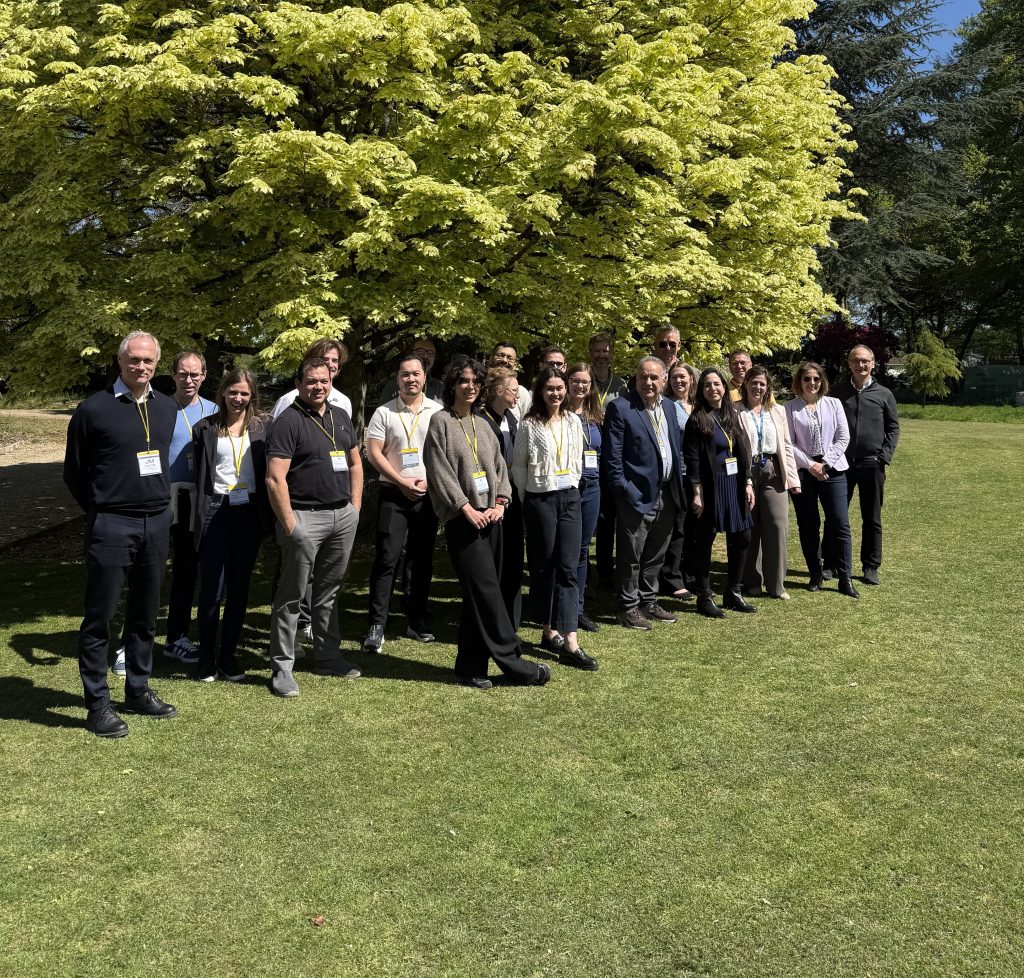
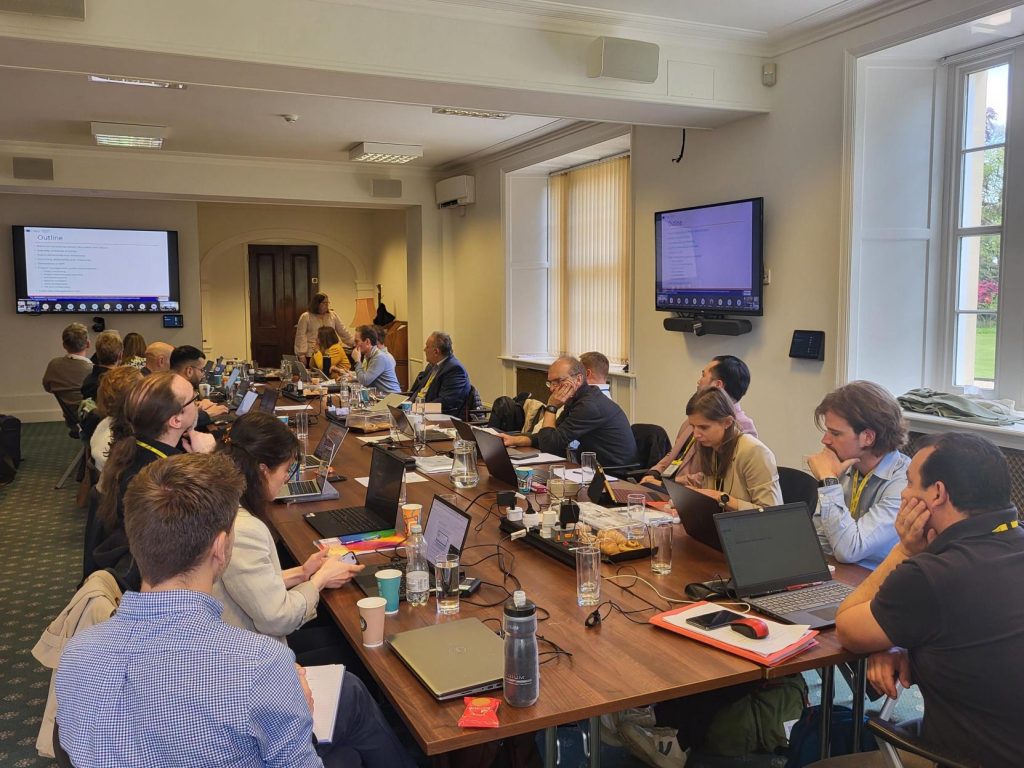
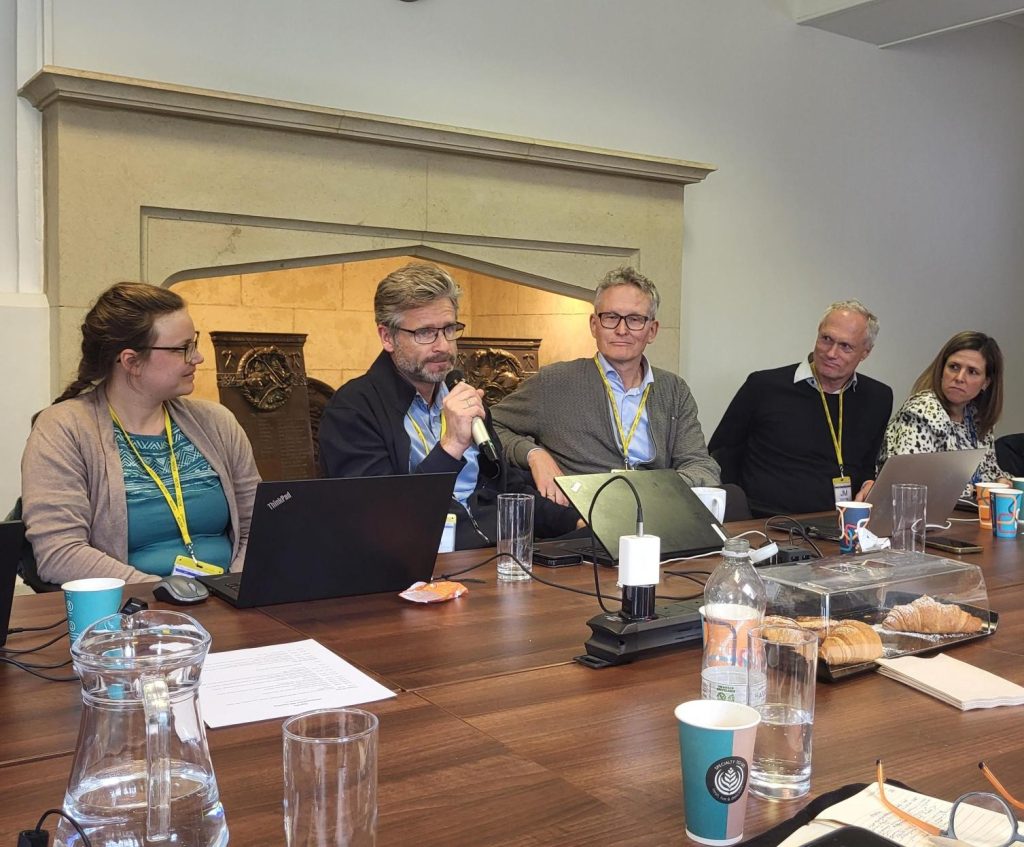
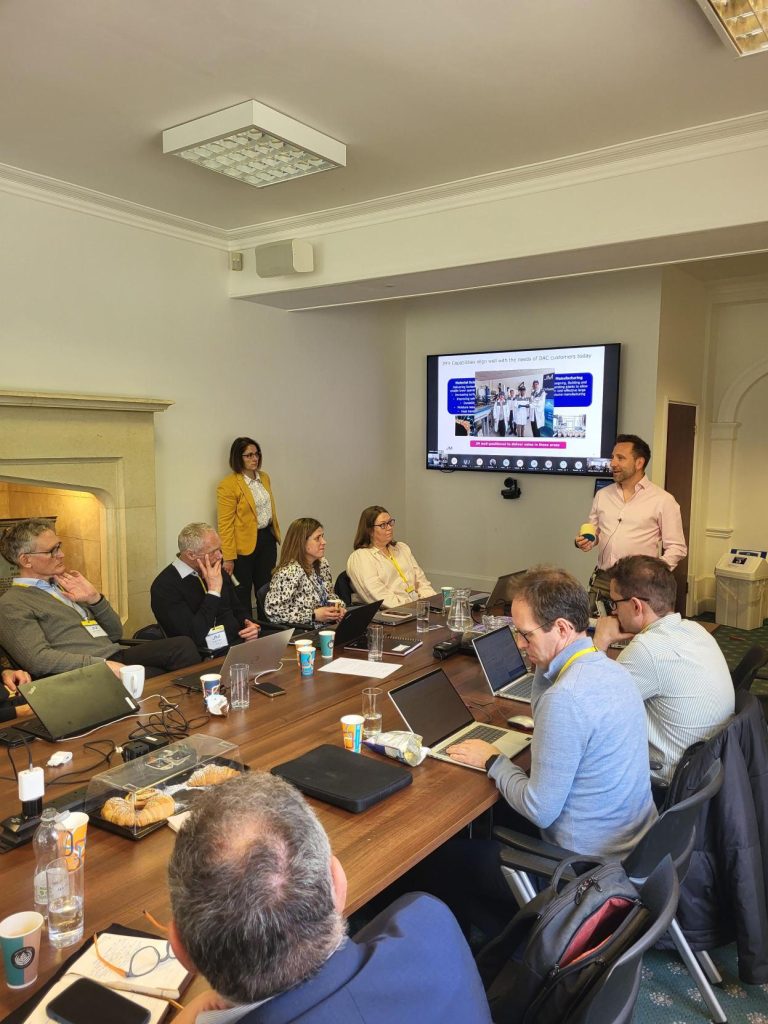
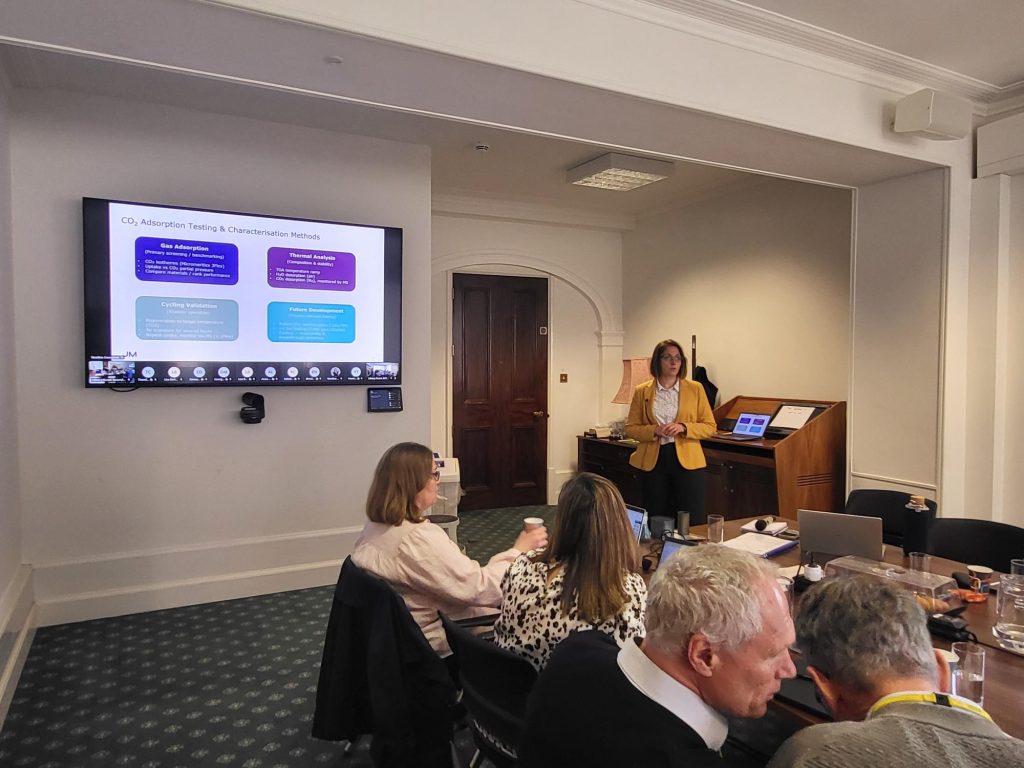
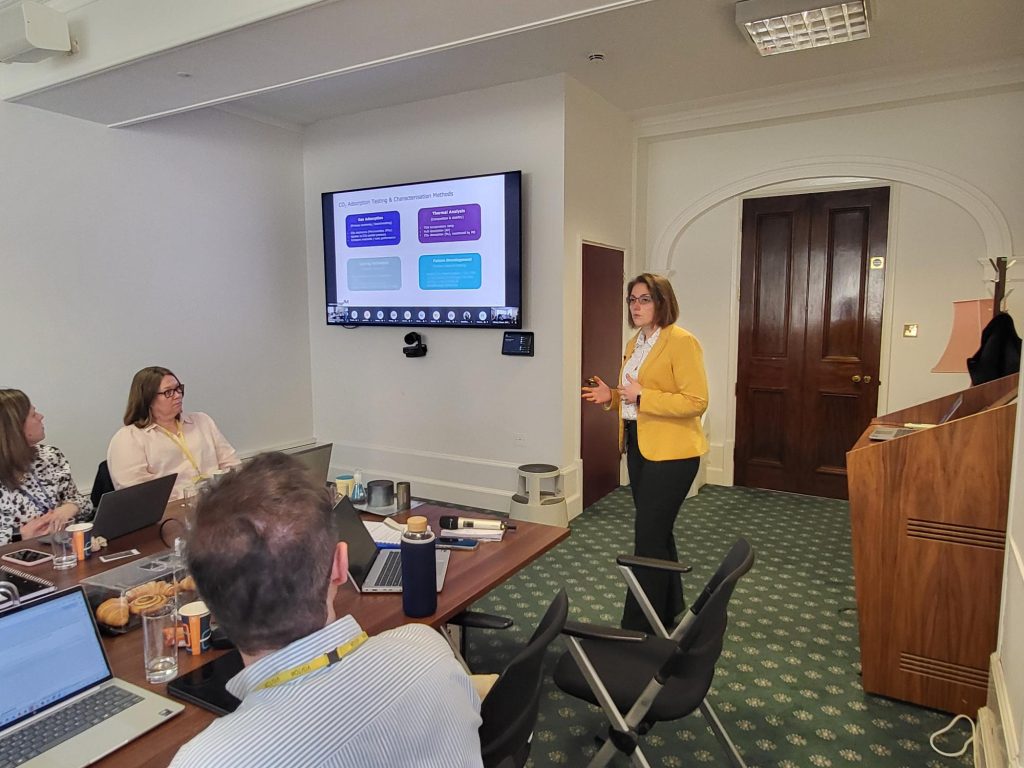
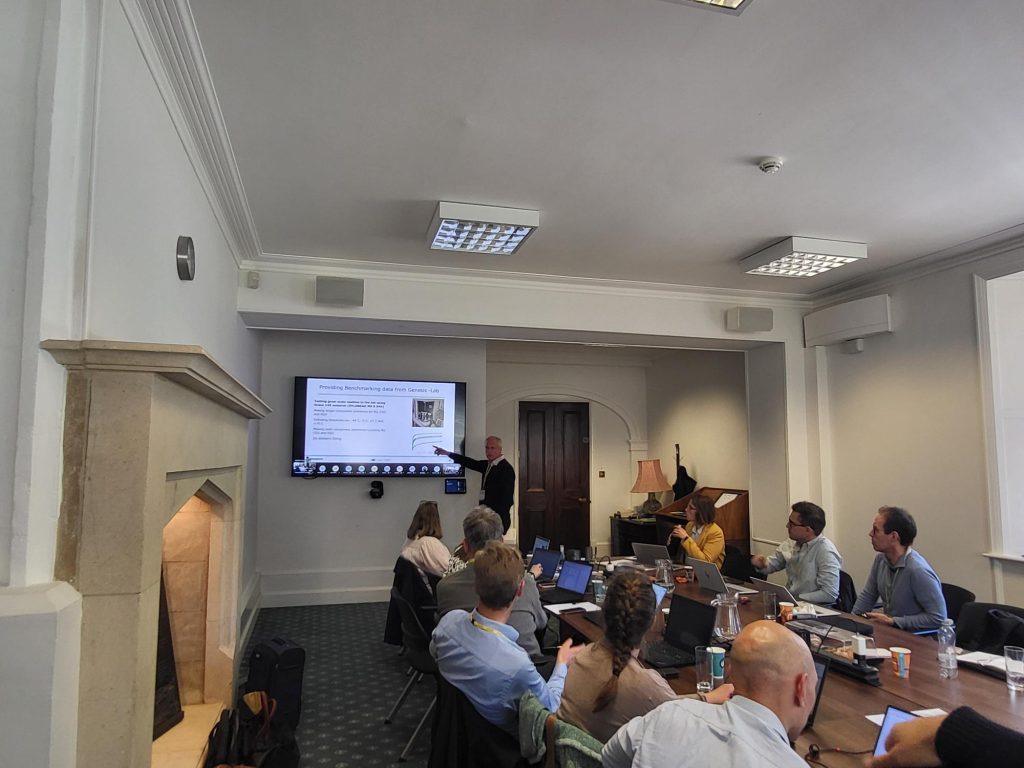
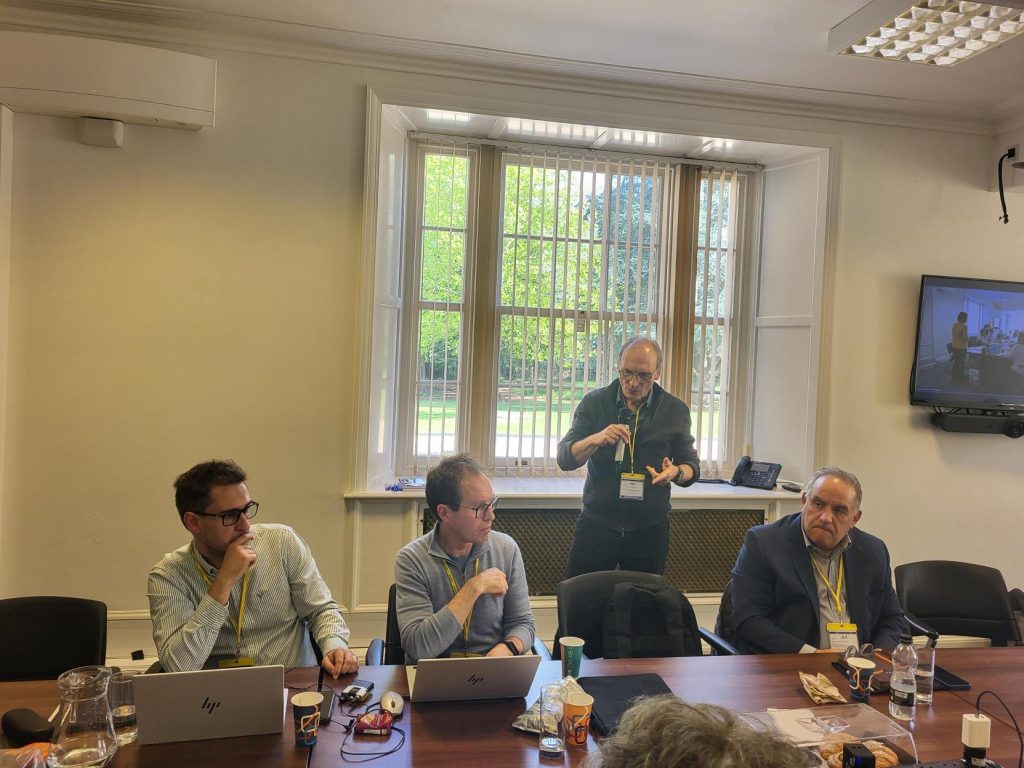
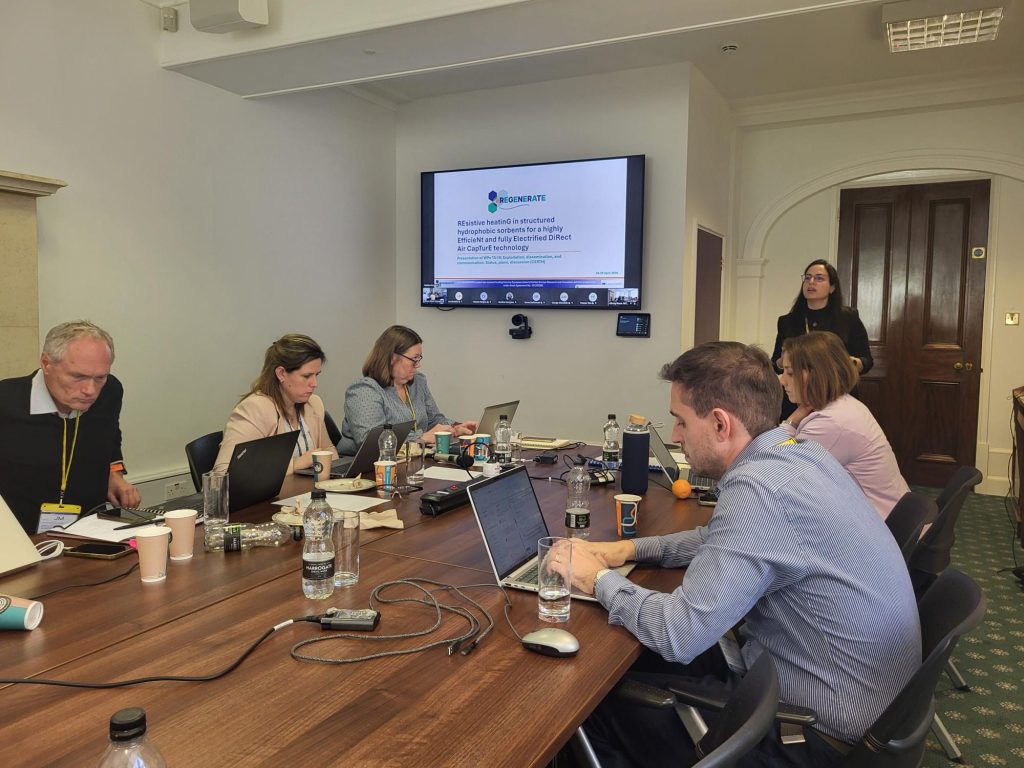
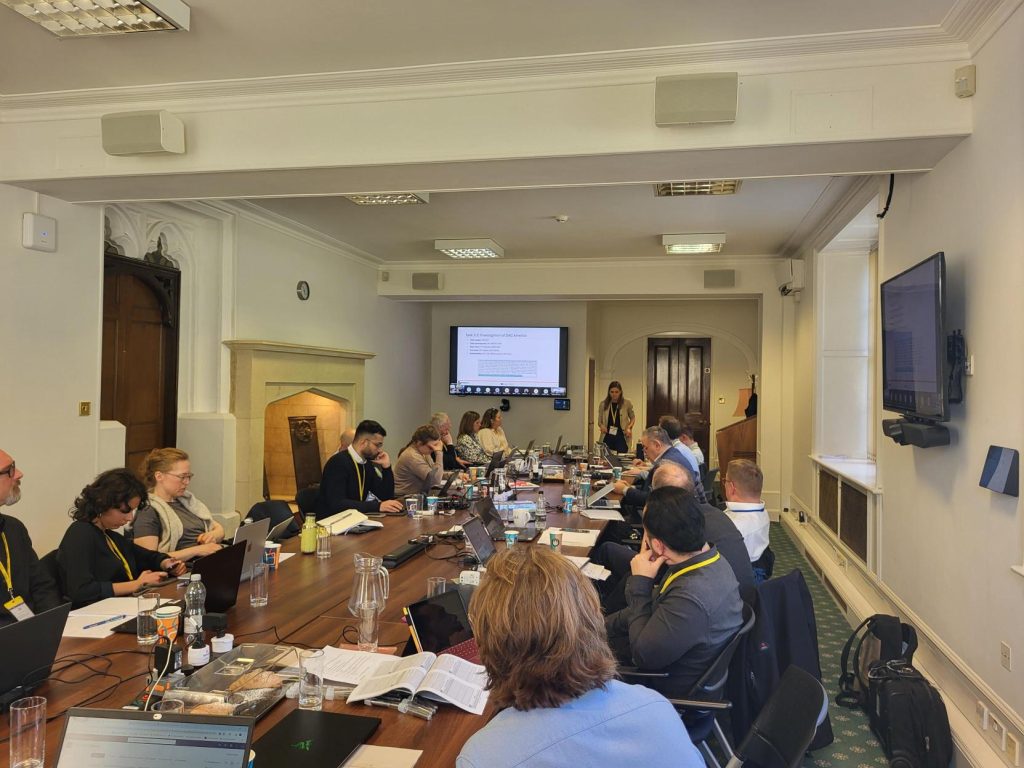
The eREGENERATE consortium successfully held its Month 6 (M6) project meeting on 28–29 April 2026 in Reading, United Kingdom, hosted by Johnson Matthey (JM). The meeting brought together consortium partners from across Europe and Canada to review project progress, discuss ongoing technical developments, and coordinate the next implementation steps of the project.
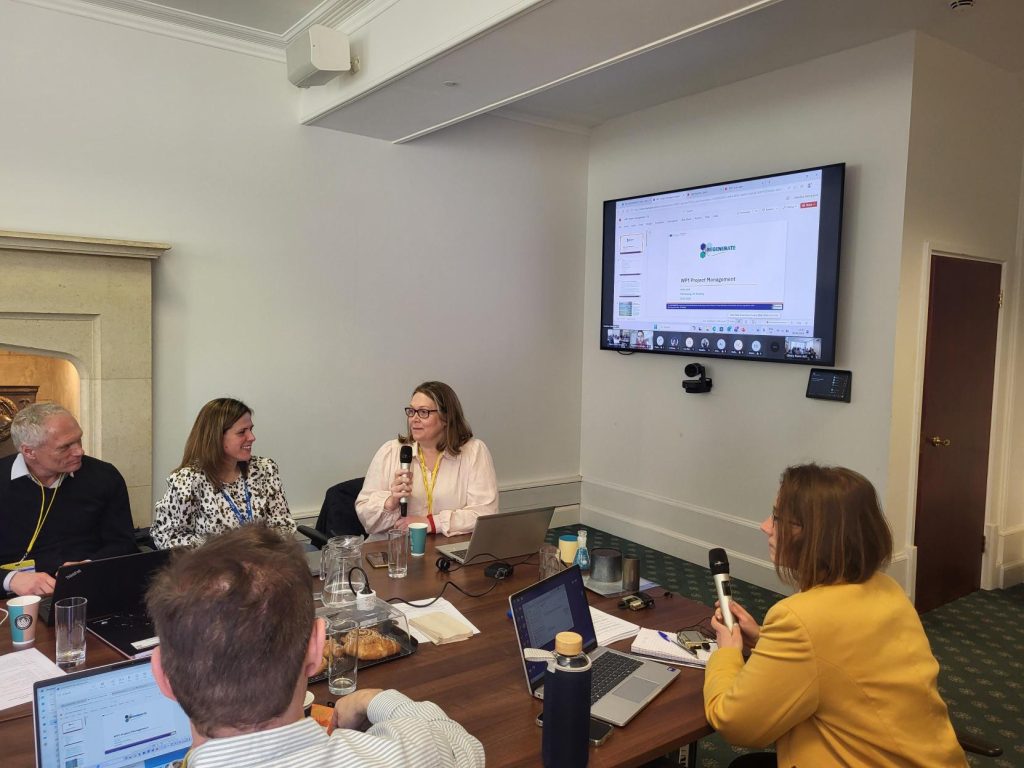
The meeting was opened by representatives of Johnson Matthey and SINTEF, followed by a round-table session among consortium partners. Anna Lind (SINTEF) presented the progress of WP1 – Project Management, providing an overview of the coordination activities and the overall implementation status of the project.
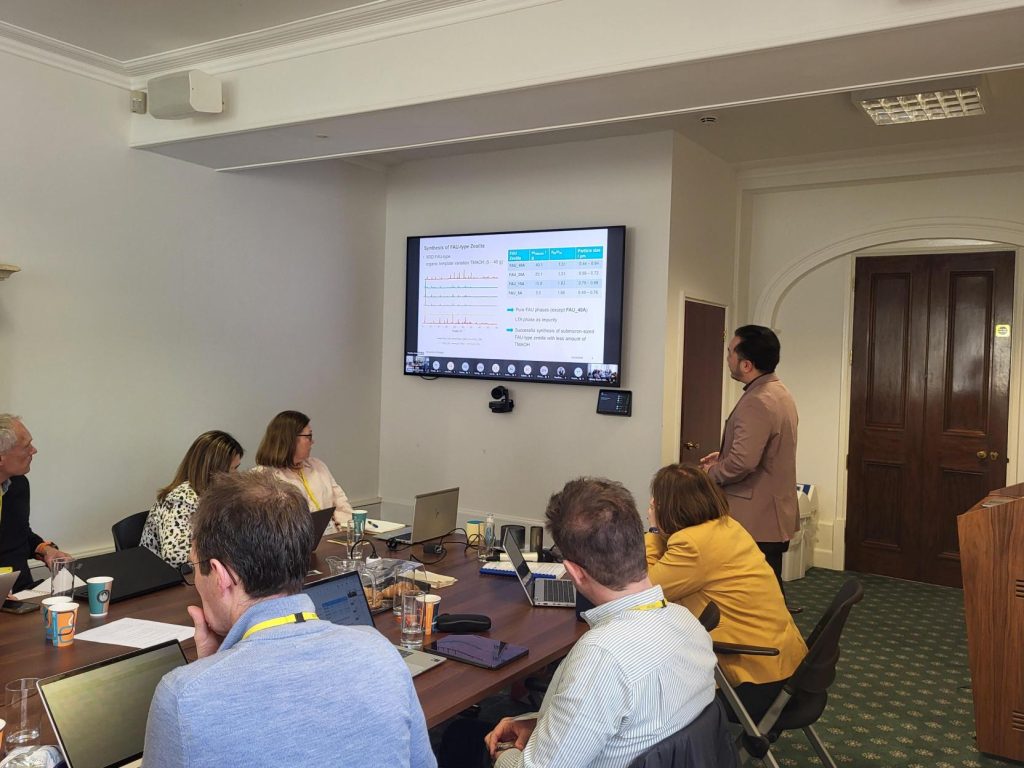
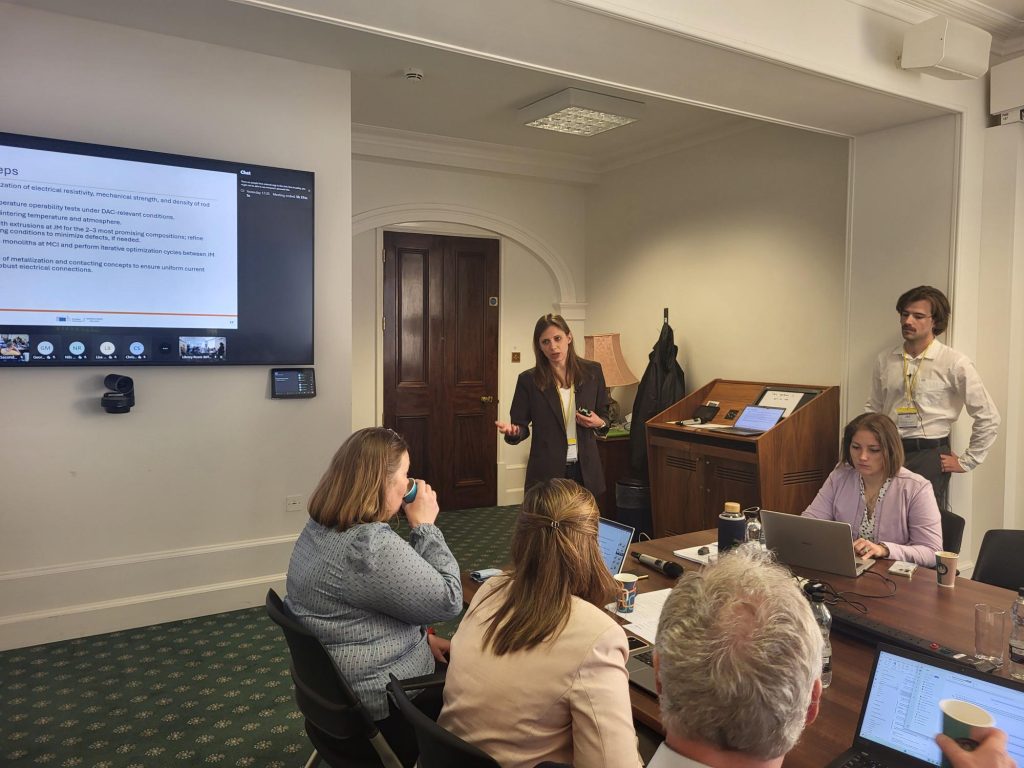
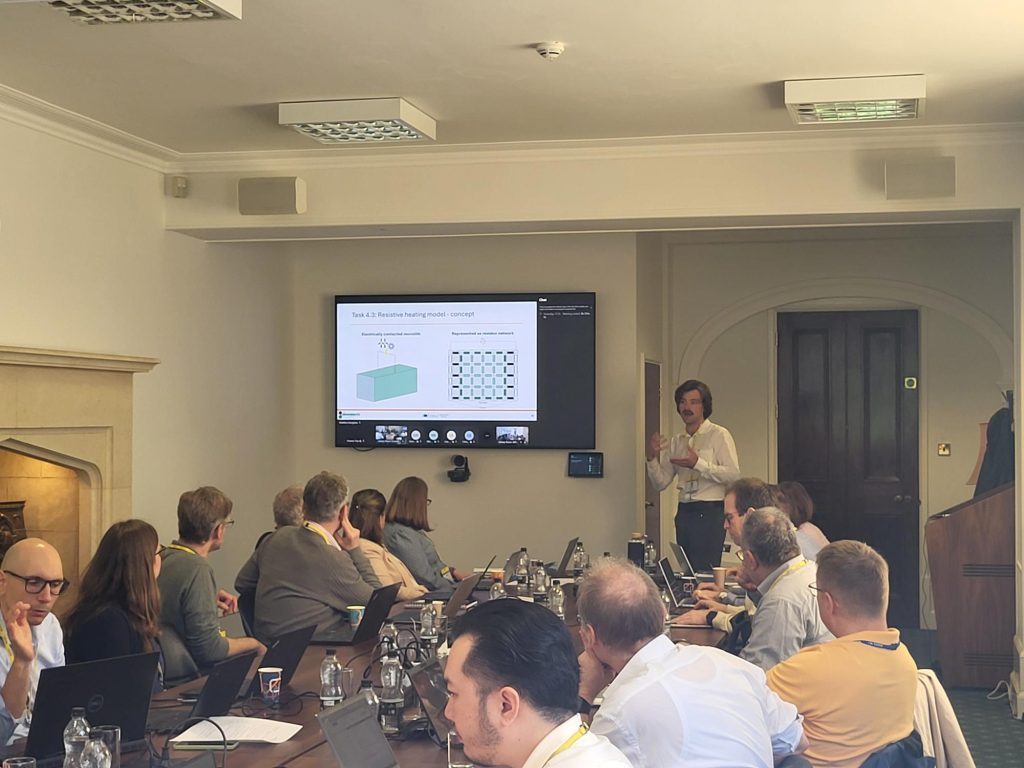
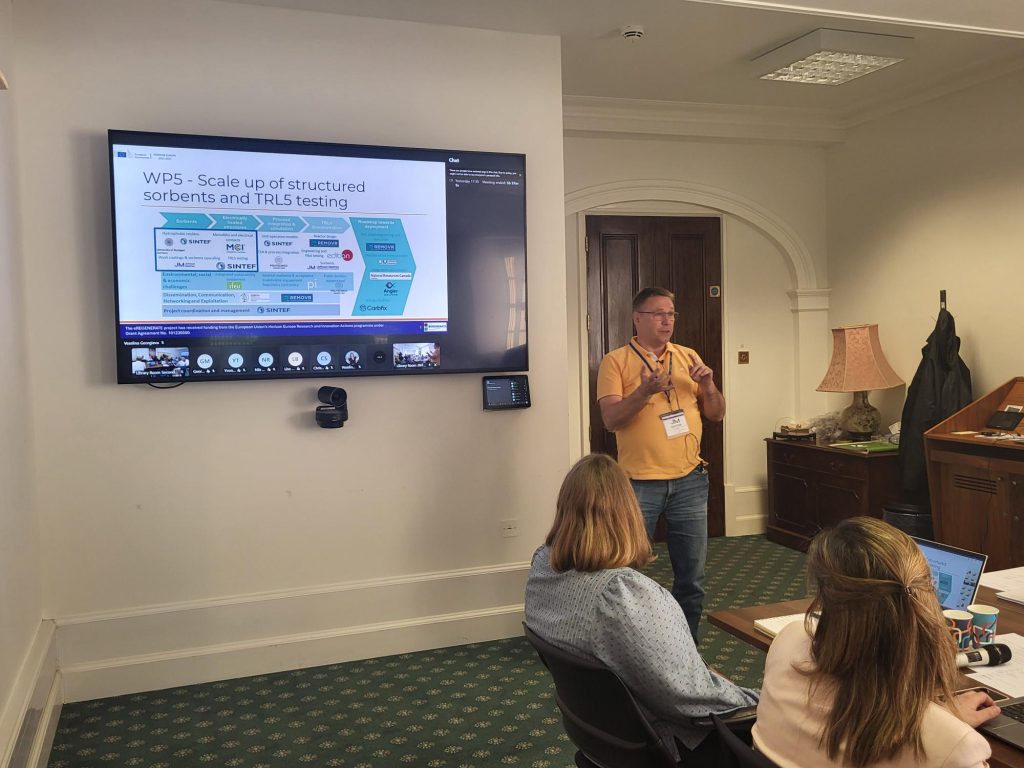
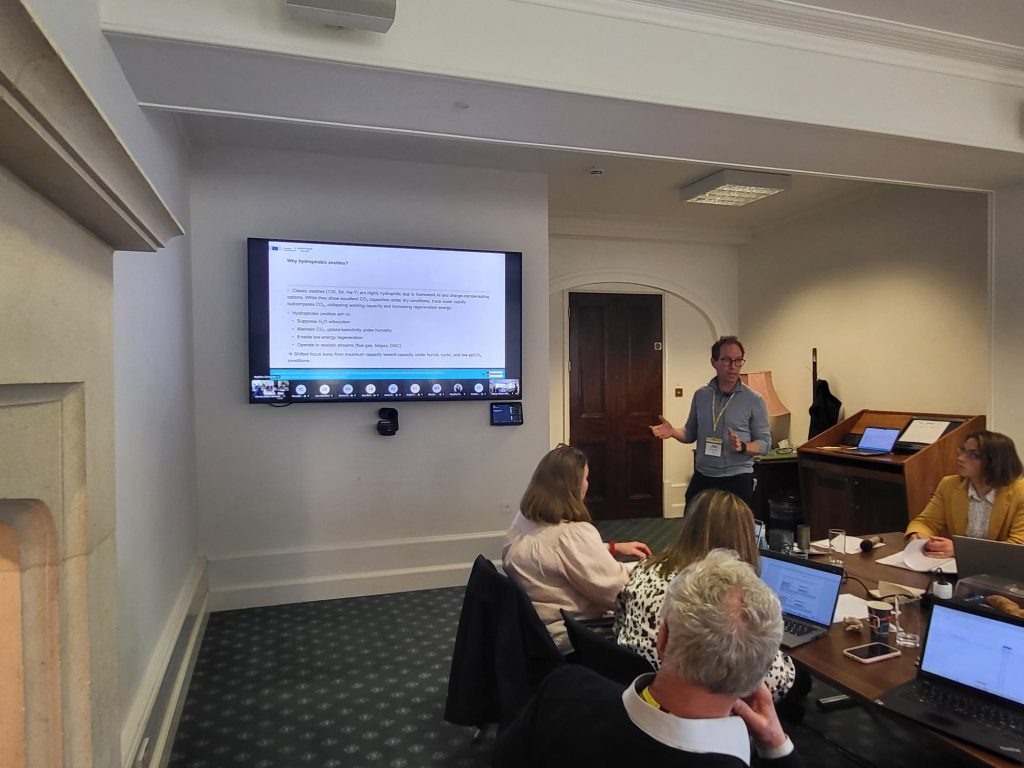
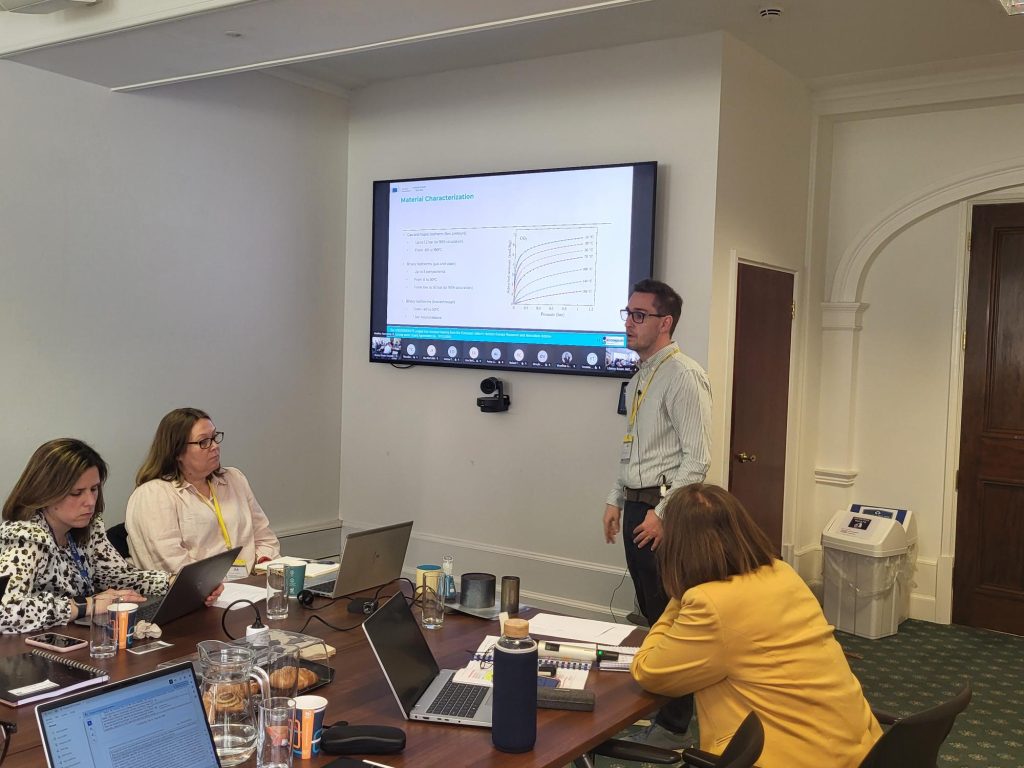
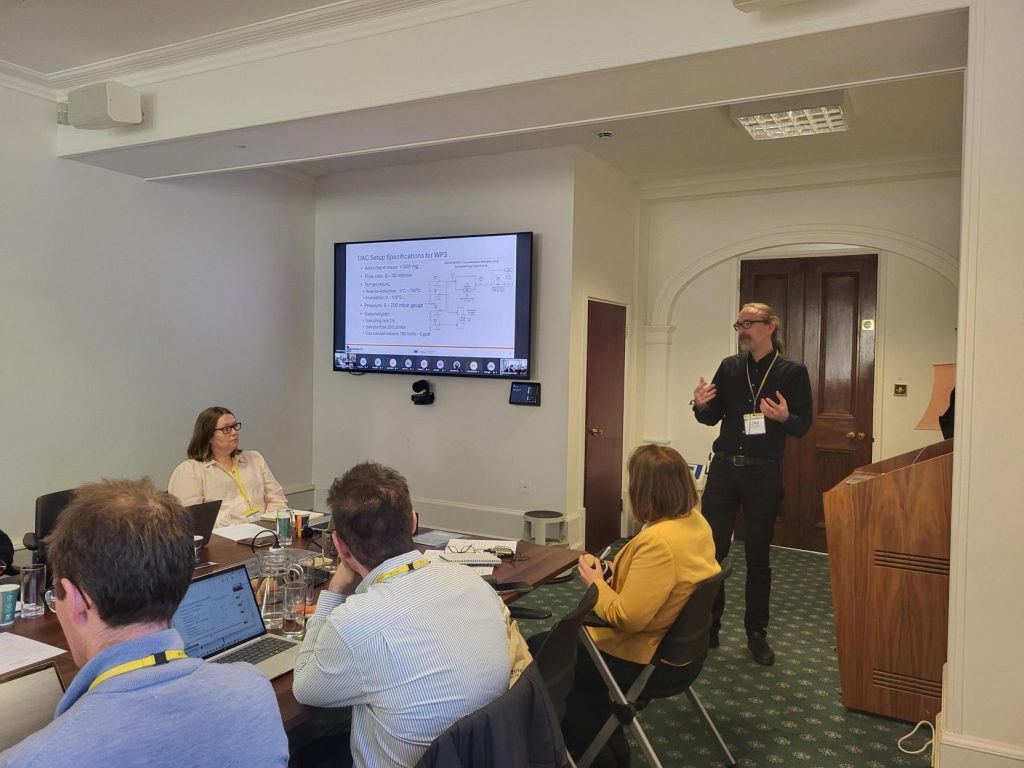
Technical sessions during the first day focused on the development of the core Direct air capture (DAC) materials and structures. Presentations on WP2 – Synthesis and Characterization of Sorbents were delivered by Hoang-Huy Nguyen, Thomas Lange, and Elias Klemm (USTUTT), together with representatives from Johnson Matthey and SINTEF, discussing progress on the development of hydrophobic sorbent materials and their characterization. Silvia Alcove Clave, Ralf Dotzel, and Veselina Georgieva (JM), together with Lukas Moeltner and Verena Schallhart (MCI), presented activities related to WP3 – Preparation and Optimization of Sorbent Coatings, WP4 – Design and Development of Electrically Heatable Structures, and WP5 – Scale-Up of Structured Sorbents and TRL5 Testing. Discussions focused on coating optimisation, electrically conductive structures, and scale-up strategies for structured sorbents.
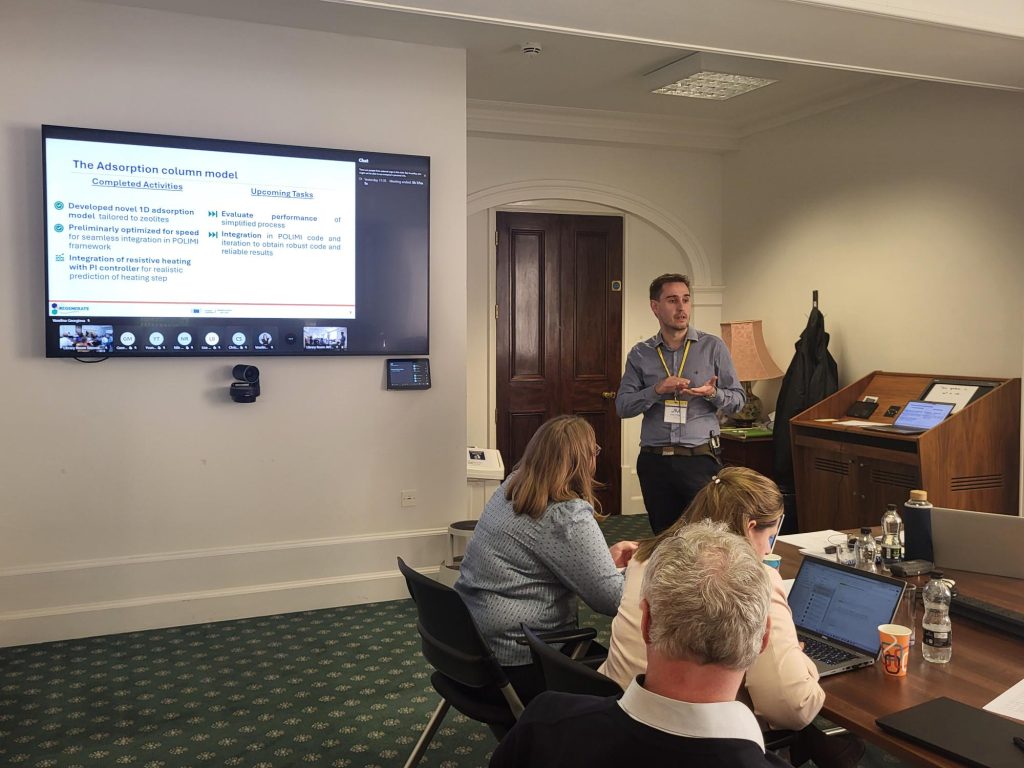
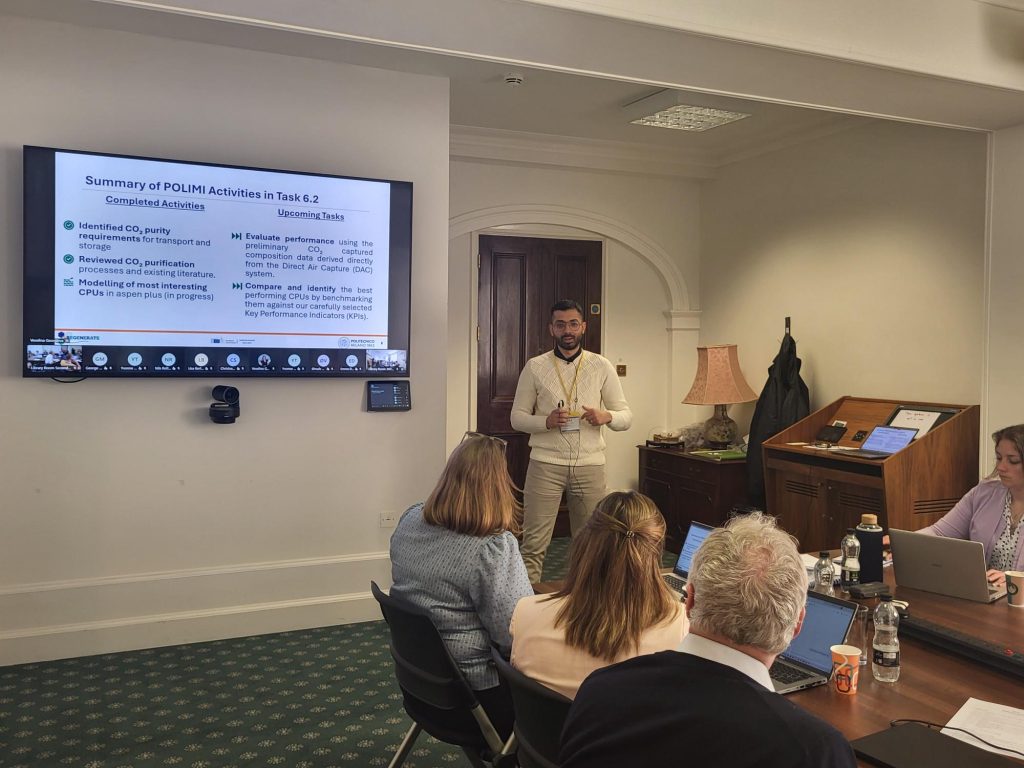
The second day concentrated on process integration, demonstrator development, sustainability assessment, and stakeholder engagement. Rafael Canevesi and Ørnulv Vistad (SINTEF), together with Syed Ali Zaryab and Emanuele Martelli (POLIMI), presented progress on WPs 6–7 related to process simulation, process integration, and overall plant modelling activities. EDIBON International (EDI), represented by César Bonilla focused the discussion on the ongoing work on WPs 8–9 concerning the design, construction, and future testing of the TRL6 demonstrator.
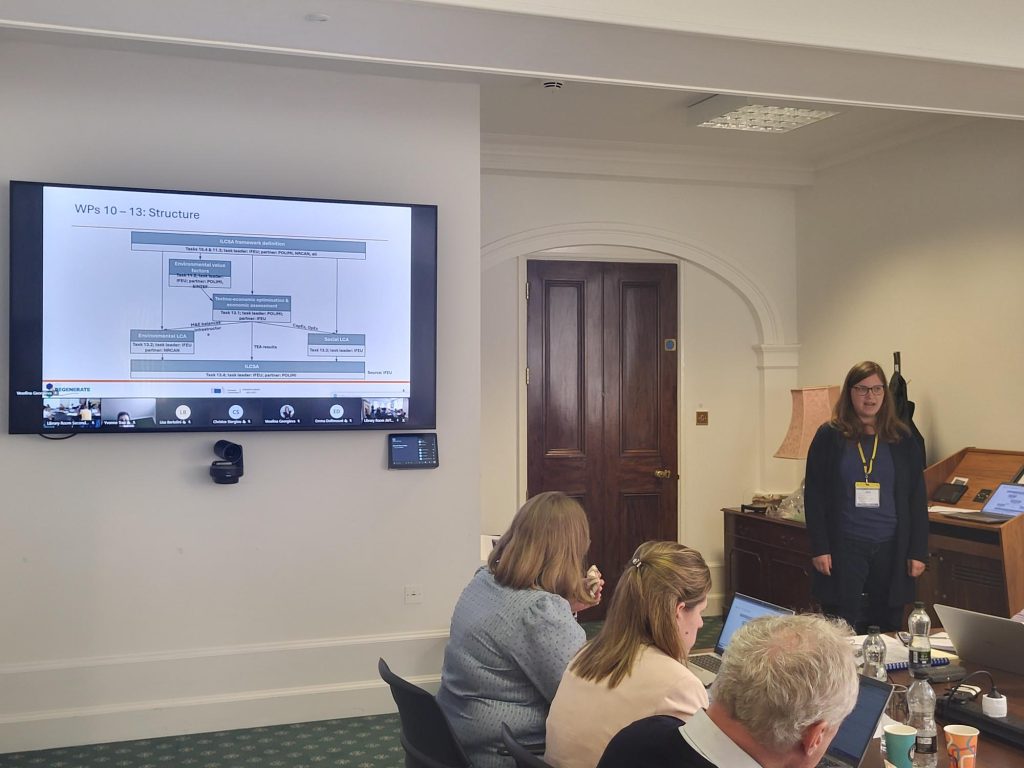
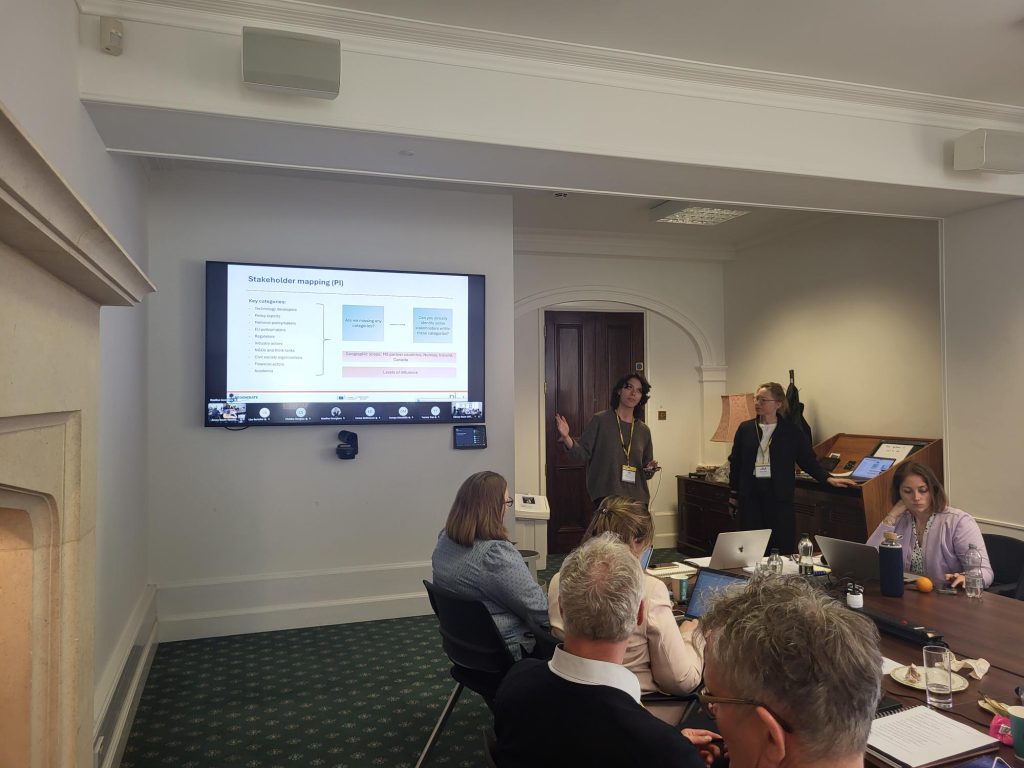
Sustainability and impact-oriented activities were also extensively discussed. Sonja Haertle (IFEU) presented progress on sustainability assessment activities under WPs 10–14, while Nina Horstmann and Gabrielle Froes (Prospex Institute – PI), Rune Knott (REMOVR), representatives of NRCan, and partners from POLIMI discussed stakeholder and site mapping, societal engagement, techno-economic assessment, and future technology deployment pathways. Contributions from Asdis Nina Magnusdottir (CARBFIX HF) also supported discussions related to future CO₂ management and deployment perspectives.
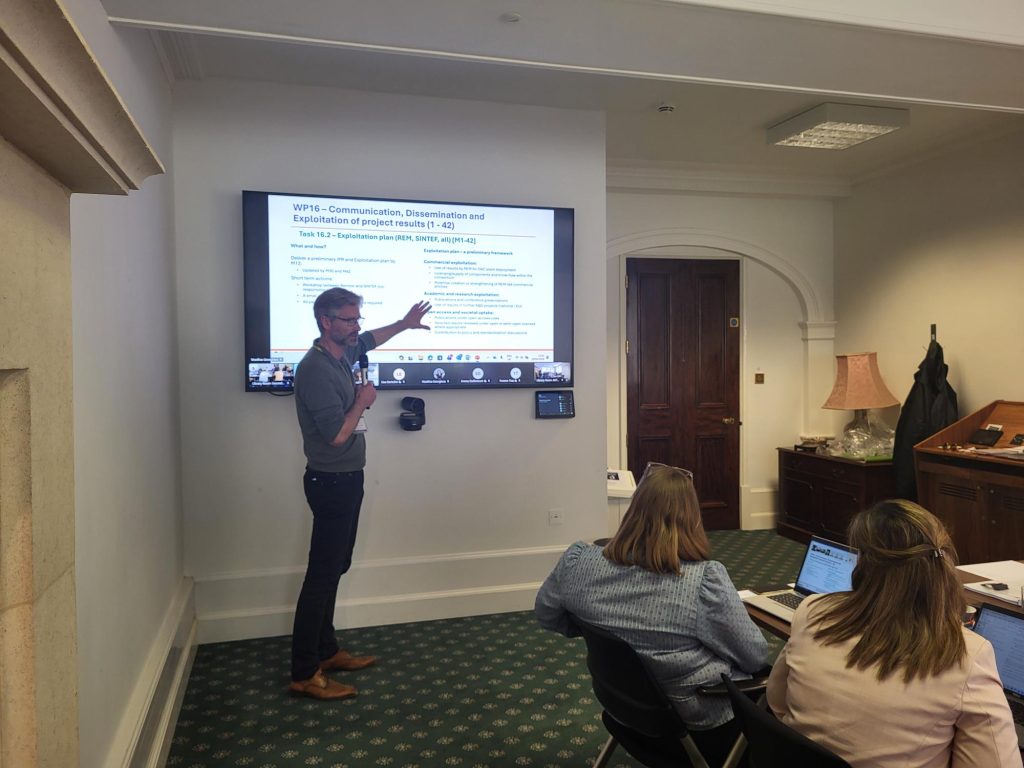
Communication, dissemination, and exploitation activities under WPs 15–16 were presented by the Centre for Research and Technology Hellas (CERTH), represented by Eleonora Manoukian and Nikolaos Koukouzas, highlighting the progress achieved in project visibility, dissemination planning, stakeholder outreach, online communication tools, and consortium-wide communication activities developed during the first six months of the project.
The M6 meeting confirmed the strong interdisciplinary collaboration within the consortium and the successful initiation of the project’s core scientific, engineering, sustainability, and stakeholder engagement activities. At Month 6, the consortium has advanced the early-stage development of the project’s innovative DAC technology, including sorbent synthesis and testing, structured sorbent development, modelling and optimisation activities, demonstrator engineering preparation, and dissemination and stakeholder engagement actions.
The meeting concluded with a summary session led by Anna Lind (SINTEF), focusing on upcoming milestones, deliverables, and the planning of the next consortium meeting. Over the next six months, the eREGENERATE consortium will continue advancing the core technological developments of the project, with particular focus on the optimisation and scale-up of hydrophobic structured sorbents, the development of electrically heatable adsorption structures, and the further integration of process simulation and system optimisation activities. In parallel, engineering activities related to the TRL6 demonstrator will progress, including conceptual and preliminary design work for the pilot system. The consortium will also continue sustainability assessments, stakeholder engagement activities, dissemination actions, and the evaluation of future deployment pathways under different climatic and energy scenarios, supporting the project’s long-term objective of developing an efficient and scalable fully electrified DAC technology.
The eREGENERATE project is funded by the European Union’s Horizon Europe programme and aims to develop a novel highly efficient and fully electrified DAC technology based on hydrophobic zeolite sorbents, electrically conductive structures, and advanced optimisation algorithms.
#eREGENERATE #HorizonEurope #DirectAirCapture #CarbonRemoval #Research


